Accepting that Jesus was crucified requires explaining why it happened, yet there is no clear or unquestionable explanation in the Gospels. Scholars […]
I continue here the new ijtihad I introduced in the previous video, which argued that the Prophet (PBUH) did not use the word “Sunna” in reference to himself, meaning he never uttered the expression “my Sunna” (Sunnatī). In this video, I present further evidence supporting this view, drawing this time from the books of Hadith and history.
استكمالاً للاجتهاد الجديد الذي طرحته في الفيديو السابق حول عدم استخدام الرسول ﷺ لكلمة «سُنَّة» ونسبها إلى نفسه، أي لم ينطق بتعبير «سُنَّتي»، أستعرض معكم في هذا الفيديو دلائل أخرى تؤكد هذا الاجتهاد، ولكن هذه المرة من كتب الحديث والتاريخ.
The statement, “Narrate from the Children of Israel, and there is no harm,” is part of a famous hadith found in most hadith collections, including Sahih al-Bukhari. This hadith, however, is a forgery.
في مقال سابق بعنوان « معجزة نبوية خطيرة الدلالات: نبوءة استشهادُ عمّار بن ياسِر »، قمت بتحليل نبوءة النبي ﷺ المذهلة حول الصحابي الجليل عمار بن ياسر: «تَقتُلُهُ الفِئَةُ الباغِيَةُ. يَدعُوهُمْ إلى الجَنَّةِ وَيَدعُونَهُ إلى النّارِ». هذا الحديث الصحيح، الذي ذكره البخاري (ت 256 هـ)، ومسلم (ت 261 هـ) وكثير غيرهما، هو حديث «متواتر»، أي أنه رُوِيَ عن جمع غفير من الصحابة.
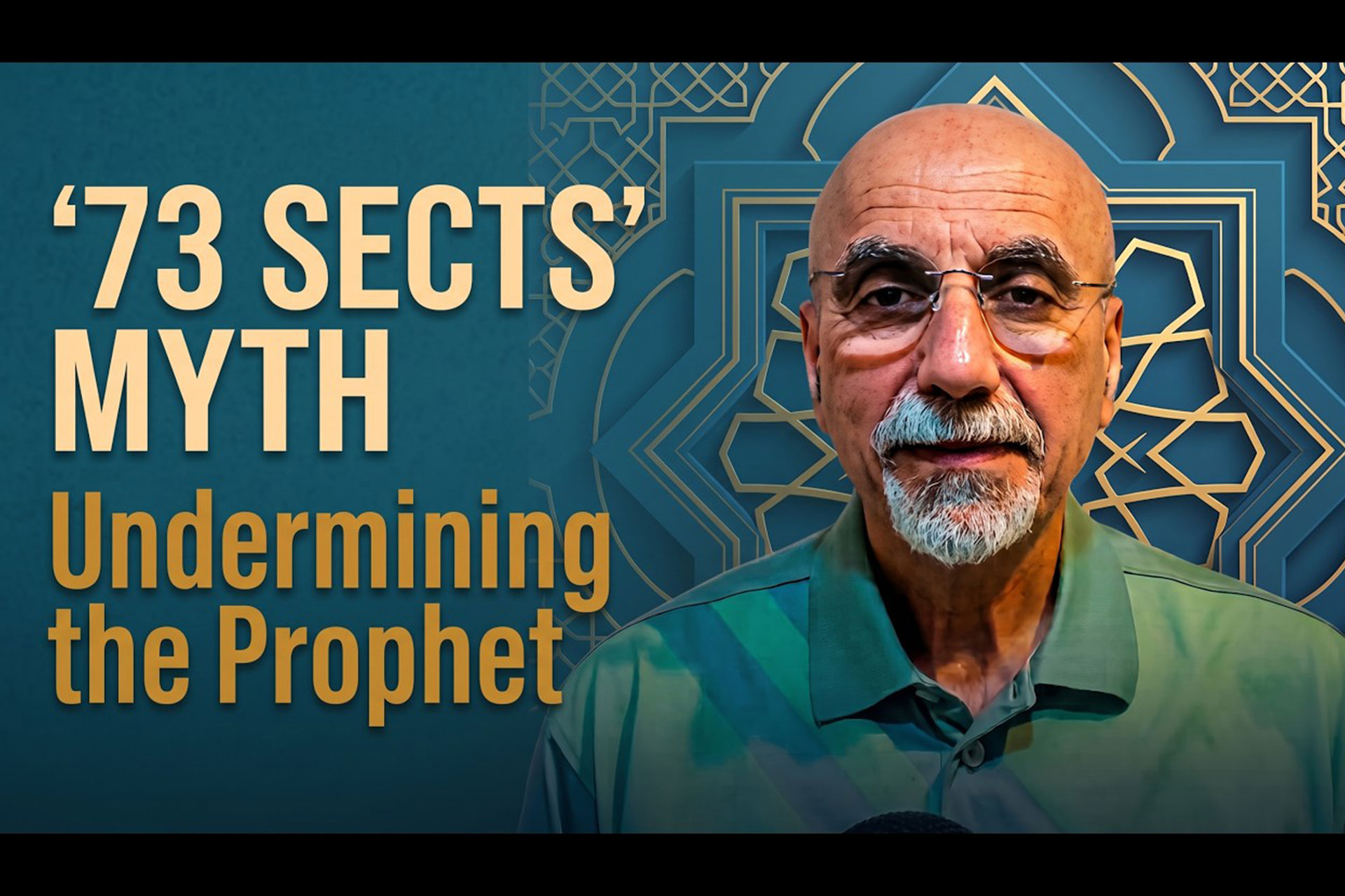
The Prophet could not have attributed the word “Sunna” to himself. To do so would have rendered the Prophetic discourse inconsistent with the language of the Qur’an.
The “the aggressing group” ḥadīth of has profound implications that go beyond its miraculous nature. It belongs to a category of ḥadīths that are instrumental in understanding contentious historical and theological issues and how they developed.
In this interview on Paul Williams’ Blogging Theology, I discuss how Jesus was declared divine shortly after his ascension, as reflected in the Gospels and the Pauline epistles.
In this video, we first explore the terms “Ḥadīth” and “Sunna” as defined by Muslim scholars and the relationship between them. We then examine the usage of these two terms in the Qur’an, looking at their specific contexts and the meanings they convey.
نستعرض أولا في هذا الفيديو مصطلحا «الحديث» و «السُّنة» عند علماء المسلمين والعلاقة بينهما. ثم ندرس مواضع استخدام هذين التعبيرين في القرآن الكريم، وسياقاتها، والمعاني التي وردا فيها. من الأهداف الرئيسة لهذا الفيديو هو إبراز ضرورة الوعي ليس فقط بما وصلت إليه معاني المصطلحات والمفاهيم الإسلامية، ولكن أيضا تاريخها. وهذا يشمل دراسة ما إذا كان لها أساس قرآني، وإذا لم يكن سبب ظهورها، وكيفية تطوّرها.
This remarkable prophecy is immensely significant, both historically and creedally. In this ḥadīth, the Prophet (PBUH) foretold that the great companion ʿAmmār Ibn Yāsir would be killed by “the aggressor group.”
Have you ever wondered why the term “Qur’anists” قرآنيون is used as an accusation? Why haven’t critics of “Qur’anists” coined the term “Hadithists” حديثيون to criticise those who authenticate vast numbers of ḥadīths that contradict the Qur’an, history, and reason?
This video is a presentation I originally gave for “The Prometheans” YouTube channel. In this session, I explore the Qur’an’s stance on the crucifixion of Jesus—specifically focusing on Verse 4:157, which I call the “non-crucifixion verse”.
We use cookies on our website to give you the most relevant experience by remembering your preferences and repeat visits. By clicking “Accept All”, you consent to the use of ALL the cookies. However, you may visit "Cookie Settings" to provide a controlled consent.
This website uses cookies to improve your experience while you navigate through the website. Out of these, the cookies that are categorized as necessary are stored on your browser as they are essential for the working of basic functionalities of the website. We also use third-party cookies that help us analyze and understand how you use this website. These cookies will be stored in your browser only with your consent. You also have the option to opt-out of these cookies. But opting out of some of these cookies may affect your browsing experience.
Necessary cookies are absolutely essential for the website to function properly. These cookies ensure basic functionalities and security features of the website, anonymously.
Cookie
Duration
Description
cookielawinfo-checkbox-analytics
11 months
This cookie is set by GDPR Cookie Consent plugin. The cookie is used to store the user consent for the cookies in the category "Analytics".
cookielawinfo-checkbox-functional
11 months
The cookie is set by GDPR cookie consent to record the user consent for the cookies in the category "Functional".
cookielawinfo-checkbox-necessary
11 months
This cookie is set by GDPR Cookie Consent plugin. The cookies is used to store the user consent for the cookies in the category "Necessary".
cookielawinfo-checkbox-others
11 months
This cookie is set by GDPR Cookie Consent plugin. The cookie is used to store the user consent for the cookies in the category "Other.
cookielawinfo-checkbox-performance
11 months
This cookie is set by GDPR Cookie Consent plugin. The cookie is used to store the user consent for the cookies in the category "Performance".
viewed_cookie_policy
11 months
The cookie is set by the GDPR Cookie Consent plugin and is used to store whether or not user has consented to the use of cookies. It does not store any personal data.
Functional cookies help to perform certain functionalities like sharing the content of the website on social media platforms, collect feedbacks, and other third-party features.
Performance cookies are used to understand and analyze the key performance indexes of the website which helps in delivering a better user experience for the visitors.
Analytical cookies are used to understand how visitors interact with the website. These cookies help provide information on metrics the number of visitors, bounce rate, traffic source, etc.
Advertisement cookies are used to provide visitors with relevant ads and marketing campaigns. These cookies track visitors across websites and collect information to provide customized ads.