

Chosenness of the Jews in the Qur’an
My detailed analysis of the “chosenness” of the Israelites in the Qur’an. With its logic, clarity, and consistency, the Qur’an corrects the Jewish and Christian forms of misunderstanding this concept
Read more
My detailed analysis of the “chosenness” of the Israelites in the Qur’an. With its logic, clarity, and consistency, the Qur’an corrects the Jewish and Christian forms of misunderstanding this concept
Read more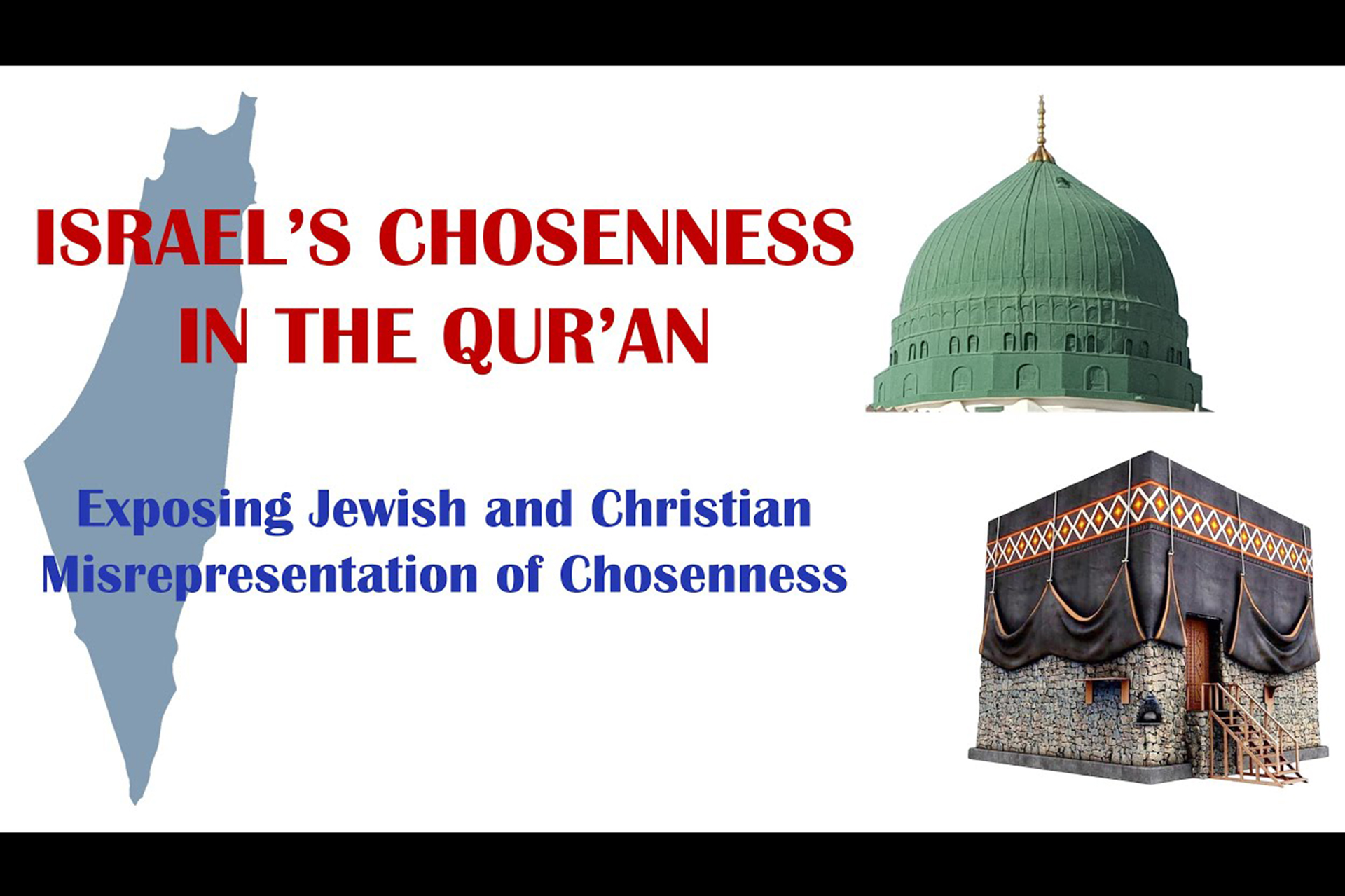
This video brings new insights into understanding the “chosenness” of the Israelites by God in the Qur’an. It also shows the extent of misrepresentation this concept has suffered in Judaism and Christianity as a result of its portrayal in the Bible.
Read more
العهدُ الإبراهيمي: تصحيحُ القرآنِ الكريمِ للدينِ والتاريخِ في الكتابِ المُقدَّسِ
كان النبي مُحَمَّد ﷺ قائداً روحياً واجتماعياً وسياسياً وعسكرياً فَذاً. وهنالك الكثير من الشواهد في القرآن الكريم والسُنّة الشريفة والتاريخ على المهارات القيادية المختلفة التي مَنَّ بها الله على نبيّه الكريم ﷺ.
Read more
الشمائِلُ القِيادِيّةُ المُحَمَّدِيَّةُ في آيةِ 159 من سورَةِ آل عِمران
كان النبي مُحَمَّد ﷺ قائداً روحياً واجتماعياً وسياسياً وعسكرياً فَذاً. وهنالك الكثير من الشواهد في القرآن الكريم والسُنّة الشريفة والتاريخ على المهارات القيادية المختلفة التي مَنَّ بها الله على نبيّه الكريم ﷺ.
Read more
God’s covenant with Abraham is a foundational theme in the Bible. Yet the unconditional chosenness of the Israelites makes the covenant rather ambiguous and inconsistent with other teachings about God in the same book. Free from the ethnocentricity of the Bible, the Qur’an presents a clear, consistent, and far more convincing account of the Abrahamic covenant.
Read more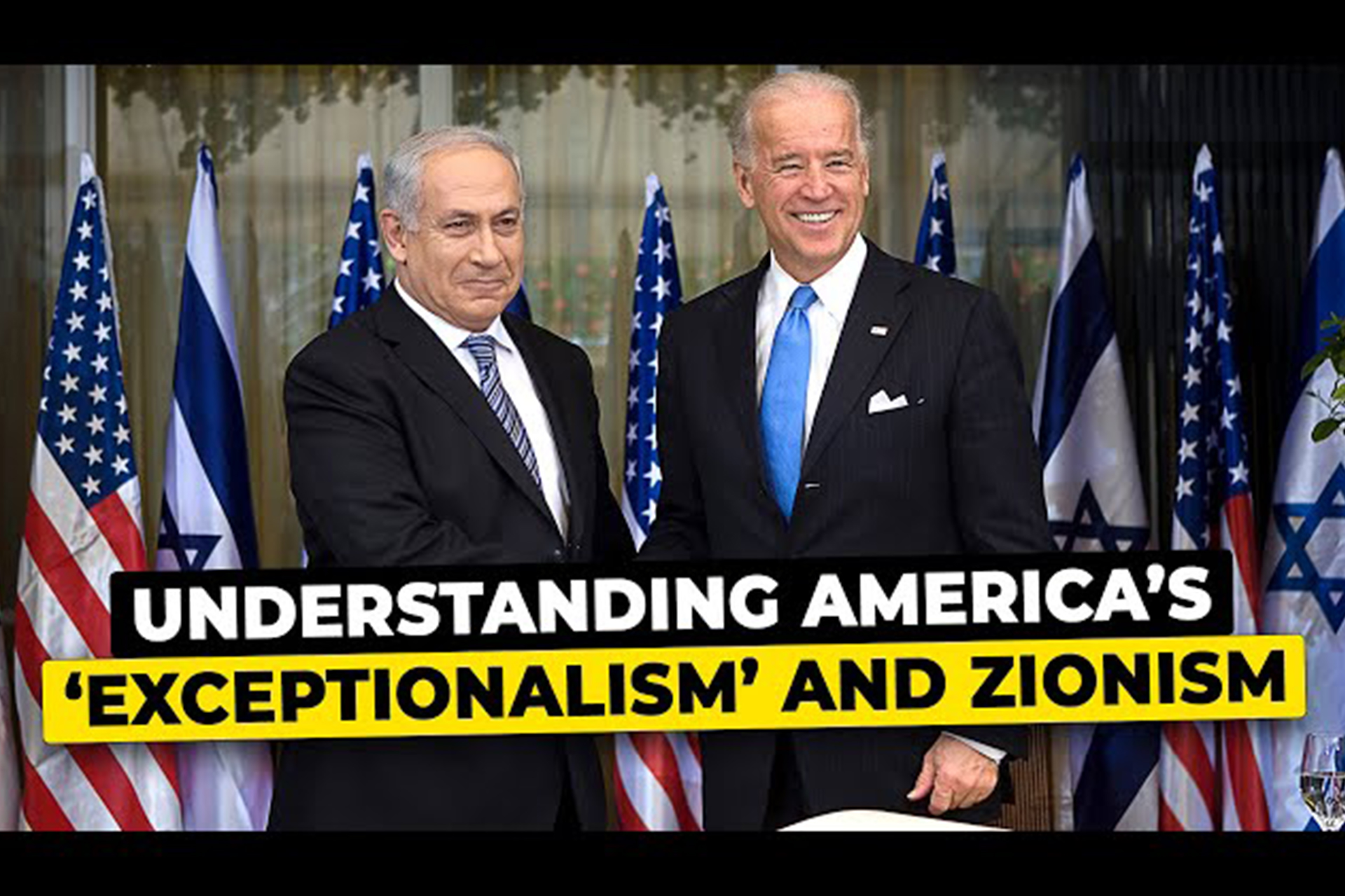
This Blogging Theology video is a more detailed presentation of the video on my personal channel on the history of American exceptionalism, Zionism, and modern Israel and the link between them.
Read more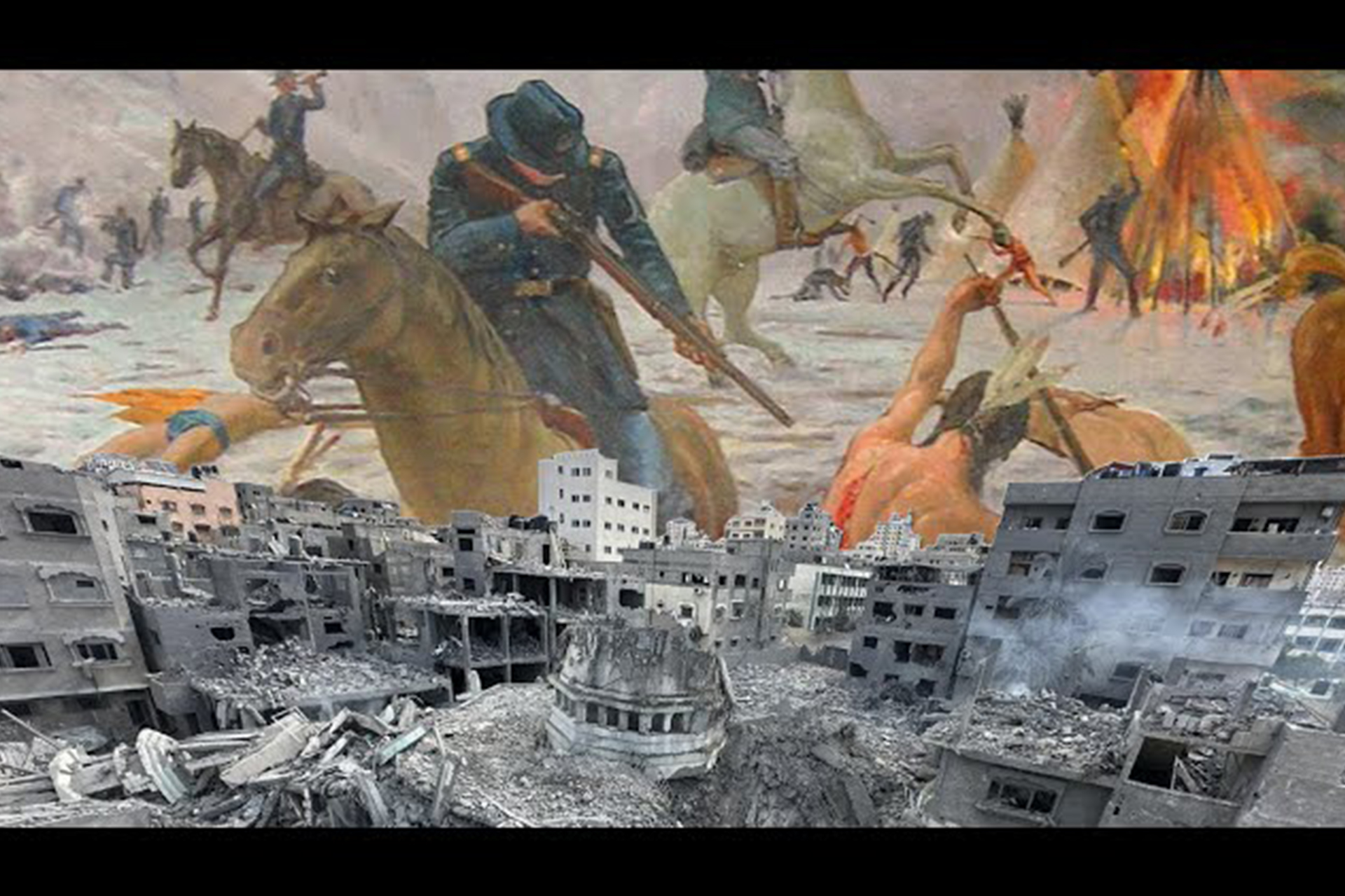
America’s entrenched self-image as a chosen, exceptional, redeemer nation is borrowed from the Hebrew Bible, having been modelled on the history of the Israelites. American exceptionalism has been the main driving force behind the creation of Israel in Palestine. America sees Israel as a confirmation of its own self-identity. American exceptionalisation is not only a supremacist ideology but the most dangerous in the world.
Read more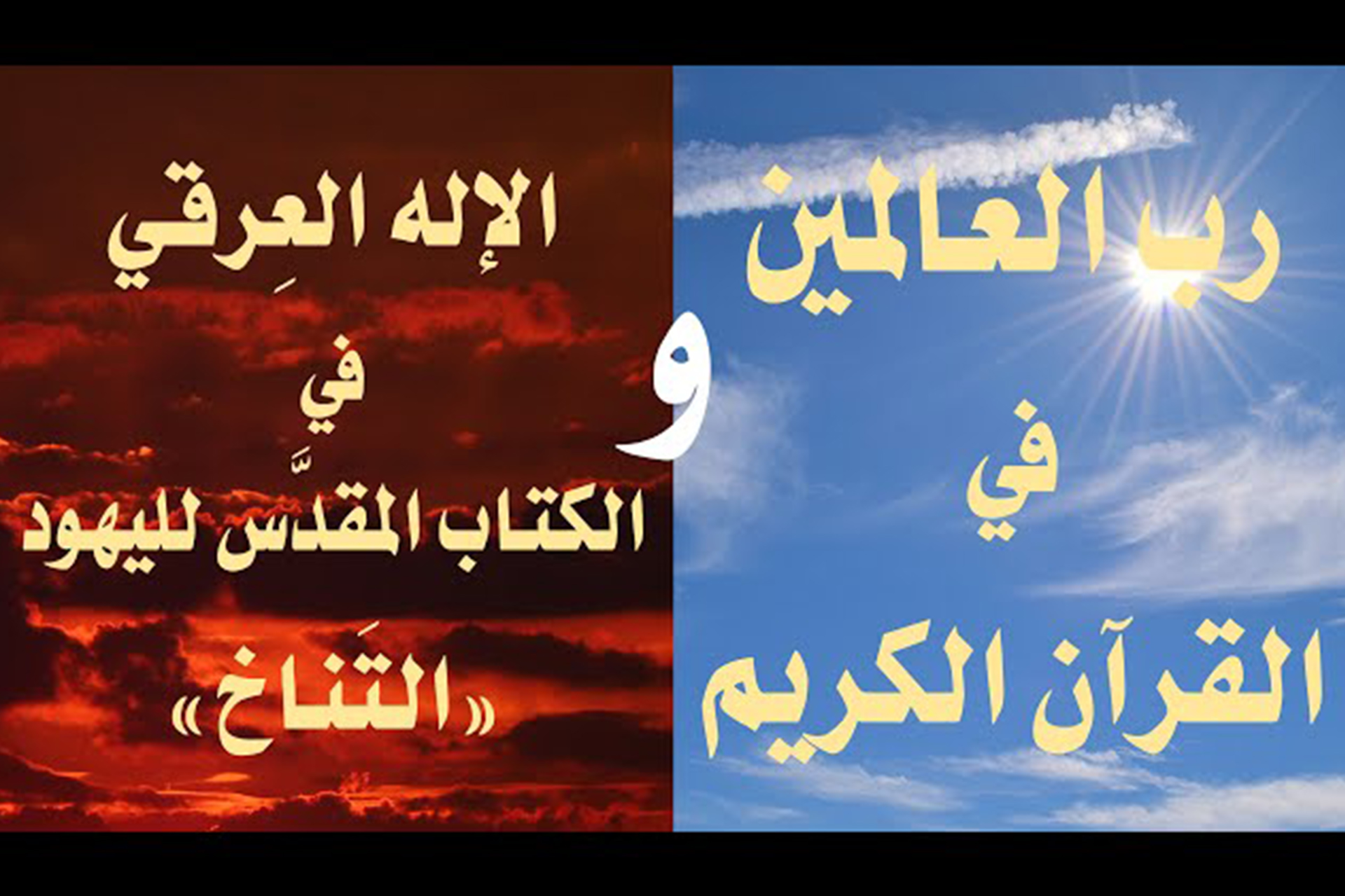
رب العالمين في القرآن والإله العِرقي في الكتاب المقدَّس لليهود «التَناخ»
يصف كتاب اليهود المقدّس، التَناخ، والذي يقدّسه النصارى أيضاً ولكن يسمّونه «العهد القديم»، الإله بشكل عِرقي على أنه إله بني إسرائيل خصوصاً، فينسبه إليهم حصراً دون غيرهم من الأقوام. على العكس من هذا، فإن إله القرآن الكريم، الله، هو الإله الواحد ربّ كل مخلوق وكل شيء.
Read more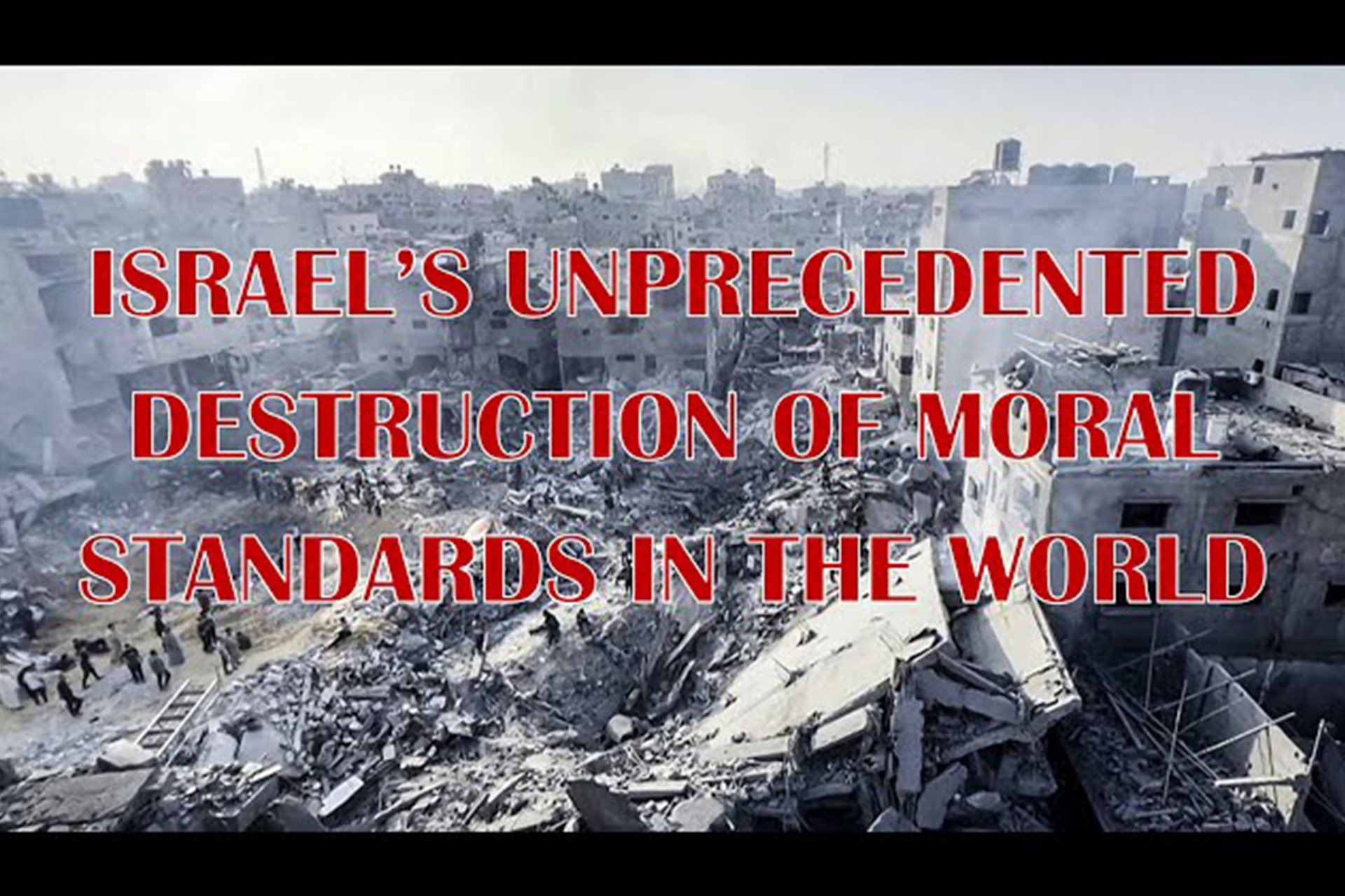
Never in history before has a state, nation, or dictatorship succeeded in coercing or convincing this many governments, organisations, groups, and individuals to actively support, passively approve of, or stay silent on genocide, ethnic cleansing, mass killing, and treating civilians as legitimate collateral damage.
Read more
In this video, I focus on a fundamental difference between the account of the Exodus in the Qur’an and the Old Testament. Although this difference is theological, rather than historical, it still provides further testimony to the accuracy and coherence of the Qur’an and exposes the paradoxical nature of the Biblical account.
Read more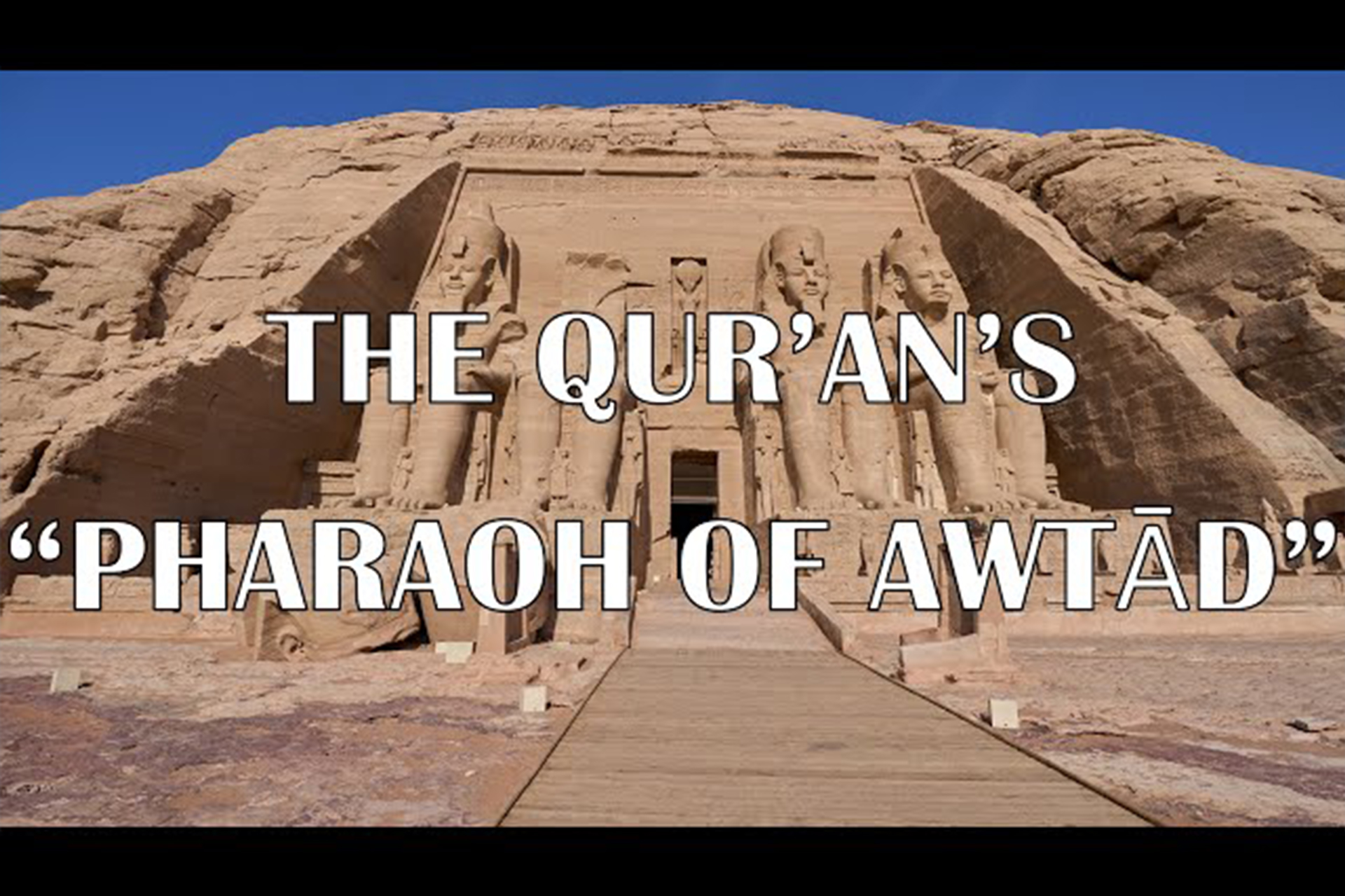
The Qur’an describes Pharaoh with the unique title “dhū al-awtād” (of awtād), which I argue particularly applied to Ramesses II. This is another significant piece of information in the Qur’an that does not exist in the Old Testament’s narrative of the Exodus.
Read more
From the early days of Islam, the overwhelming majority of Muslims and non-Muslims understood the Qur’an as unambiguously denying the Jewish and Christian claim that Jesus was crucified.
Read more
حُبُّ ومَدْحُ وإجلال الرسولِ ﷺ في القرآنِ الكريمِ والسُنّة الشريفةِ والتاريخ
أثْنى اللهُ عَزَّ وجَلَّ على عَبدِهِ ورسولِهِ مُحَمَّدٍ ﷺ وأمَرَ المُسلِمينَ بحُبِّه وإجلالِه، فعَشِقُهُ المؤمنون وأجلّوهُ ومَدحوهُ بأجمل الصفات.
Read more
The interview with Paul Williams is an extended version of the earlier presentation on this miracle on my channel @louay.fatoohi. In the discussion with Paul, I give more details, present more evidence, and explain why the references in Pharaoh’s claim could not have been to Canaan.
Read more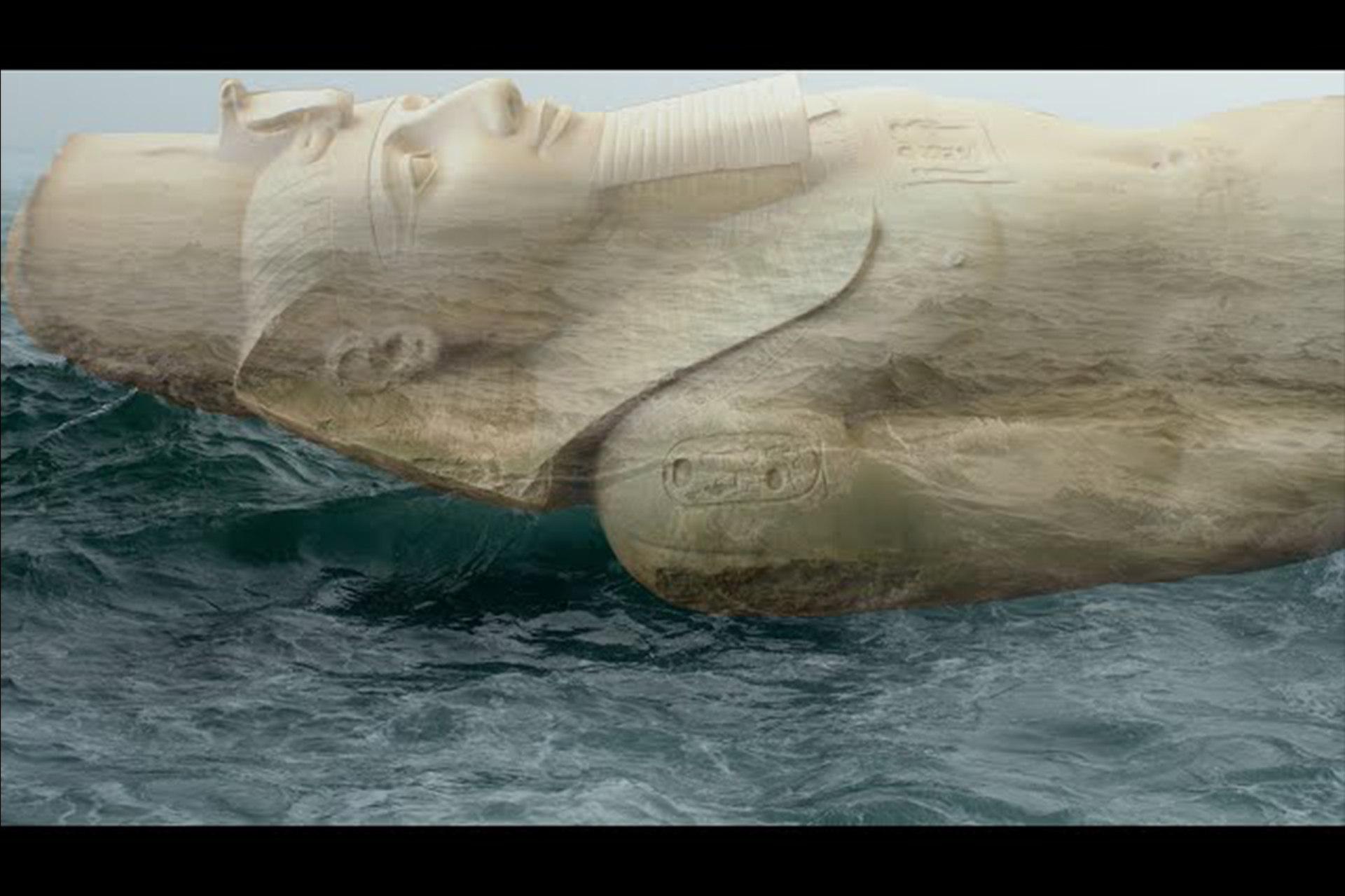
Unlike the Bible, the Qur’an speaks about one Pharaoh. The Pharaoh in whose reign the Prophet Moses was born is the same Pharaoh who led his army chasing Moses and the Israelites when they escaped from Egypt, and who ultimately drowned in the sea. This fact has the potential to unambiguously identify Pharaoh.
Read more