𝑇𝑎𝑏𝑑𝑖‘ (declaring someone an innovator/heretic) is one of the most potent weapons of sectarianism and extremism, which zealots throughout the centuries have eagerly employed to reject legitimate differences. Yet ijtihad (independent reasoning) inherently necessitates disagreement; hence, a plurality of opinions has been at the core of all Islamic sciences since their inception. However, a narrow, dogmatic mindset that rejects differing views also managed to gain a foothold through certain scholars.
Instead of disagreement being a space for scholarly dialogue and debate, 𝑡𝑎𝑏𝑑𝑖‘ turned into a tool to marginalise opponents, question their faith, and warn people against them and their ideas. Disagreement was no longer confined to analysing evidence and evaluating opinions on the scale of probability; rather, it often transformed into a struggle over who possesses the authority to define what belongs to Islam and what does not.
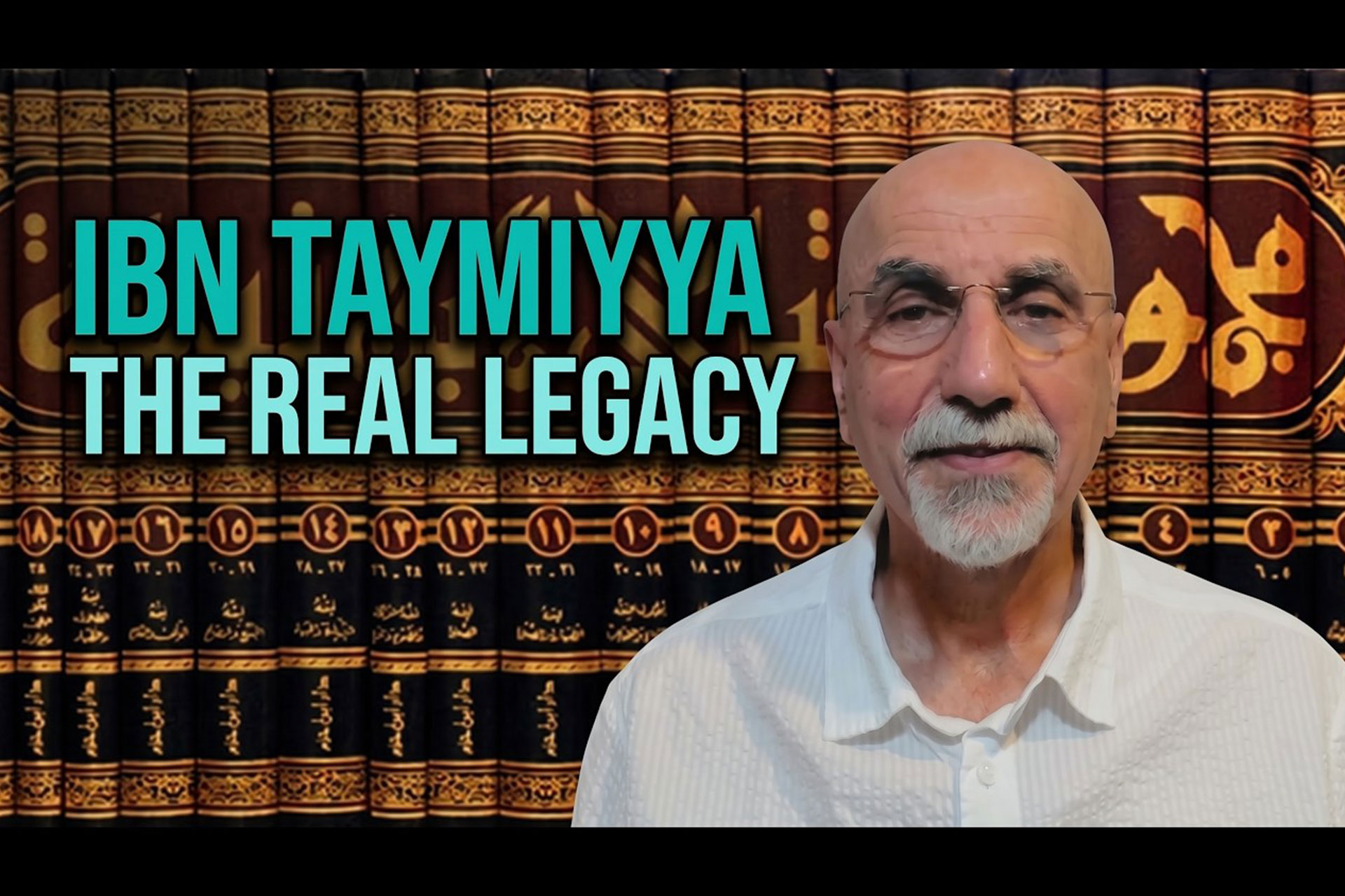
In this video, I discuss the concept of 𝑏𝑖𝑑‘𝑎 (innovation) in detail. After reviewing the use of the word 𝑏𝑖𝑑‘𝑎 in the Qur’an, I focus on the relevant hadiths, as they are the primary source of the concept. I also investigate the issues and contradictions found in the various phrasings of these hadiths, and examine the inconsistent and arbitrary application of tabdi’ practices.
Furthermore, I utilise the study of the 𝑏𝑖𝑑‘𝑎 hadiths to address two major issues in content criticism (𝑛𝑎𝑞𝑑 𝑎𝑙-𝑚𝑎𝑡𝑛) of Ḥadīth.
1) Hadith transmission with truncation and omission
2) Hadith transmission by meaning (paraphrasing)
Both are phenomena with critical implications that have not received the deep scholarly examination they deserve.
All Rights Reserved.
YouTube: English Channel | القناة العربية
Facebook: English | عربي
TikTok | Instagram | X